Influence Profile
No genre data available
Genre information will appear here once available
Trending in Dollar Brand fka Abdullah Ibrahim’s World
Latest Album
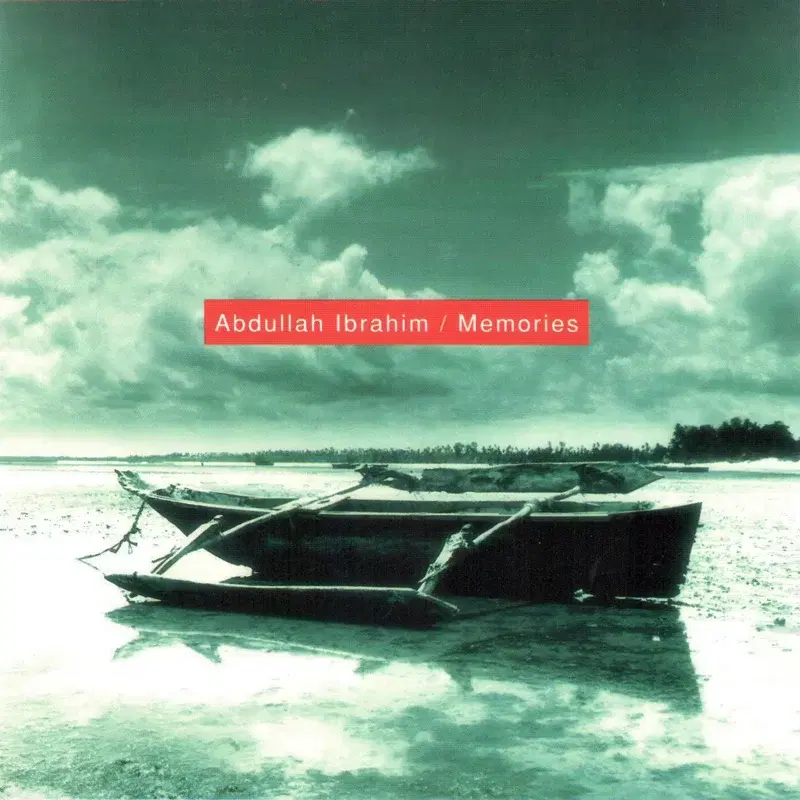
Memories
Released Jan 1, 1988
Trending Globally
No trending songs available.
Story
Quick Facts
Born
1934
1934
From
South Africa
South Africa
Journey
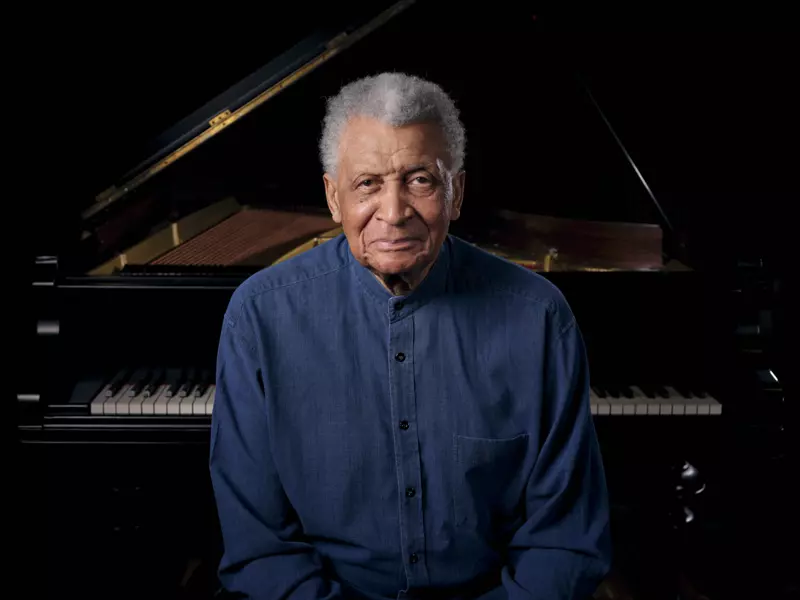
Abdullah Ibrahim, born Adolph Johannes Brand in Cape Town, South Africa, is one of the most influential figures in African jazz. He began his relationship with music at the age of six, when he first sat down at the piano, an early experience that laid the foundation for a career spanning more than seven decades. Raised in Cape Town's multicultural communities, he absorbed church music, Cape Malay melodies, township dance rhythms, gospel, and American jazz, influences that later became central to his musical identity.
In the 1950s, Ibrahim emerged as a leading voice in South African jazz and co-founded The Jazz Epistles with musicians including Hugh Masekela, Kippie Moeketsi, and Jonas Gwangwa. After apartheid restrictions intensified, he left South Africa in the early 1960s and settled in Europe, where he was championed by Duke Ellington, who helped introduce him to international audiences. In 1968, he converted to Islam and adopted the name Abdullah Ibrahim, under which his artistic legacy would be established.
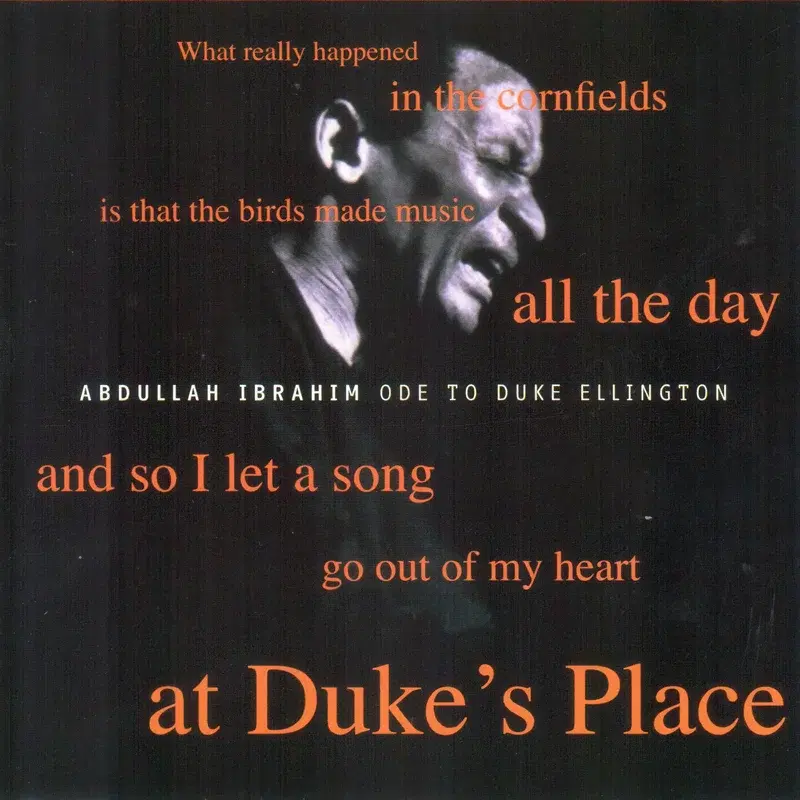
Ibrahim developed a highly personal style that united post-bop, gospel, township jive, African rhythms, and modern jazz improvisation. His instrumental work on piano, flute, and soprano saxophone gave his recordings remarkable textural variety. Between 1973 and 1988, he recorded extensively for the West Wind label, producing releases such as "Memories" and "Ode to Duke Ellington." His collaborations with Duke Ellington, Max Roach, Archie Shepp, Carlos Ward, Johnny Dyani, and other major improvisers reflected the breadth of his artistic reach.
A defining moment in his career came with the 1974 composition "Mannenberg," a work that became an unofficial anthem of resistance during the apartheid era and remains one of the most significant recordings in South African music history. Other important projects include "African Piano," "Cape Town Fringe," "Ekaya," "Ancient Africa," "The Balance," and "Dream Time."
Ibrahim's contributions have received major international recognition. He was awarded South Africa's Order of Ikhamanga in Gold and numerous honorary doctorates, and in 2018 the National Endowment for the Arts named him an NEA Jazz Master, the organisation's highest honour for jazz artists. He has continued to compose, record, and perform internationally while maintaining a profound connection to Cape Town's musical heritage.