Trending in Dr. Victor Abimbola Olaiya’s World

Trending Globally
No trending songs available.


Story
Quick Facts
Born
1930
1930
From
Nigeria
Nigeria
Journey
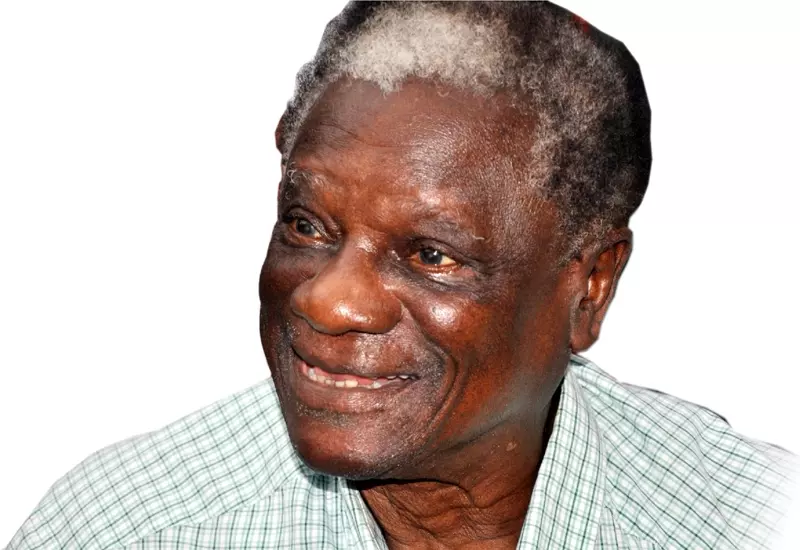
Dr. Victor Abimbola Olaiya OON was a Nigerian trumpeter, bandleader, composer, entrepreneur, and one of the foremost architects of modern highlife music. Celebrated as "The Evil Genius of Highlife," he spent more than six decades advancing the genre and helped lay the musical foundation from which Afrobeat later emerged.
Born in Calabar, Cross River State, to Alfred Omolona Olaiya and Bathsheba Owolabi Motajo, whose roots trace to Ijesha-Ishu in present-day Ekiti State, Olaiya was the twentieth of twenty-four children. His musical interests developed during childhood through formal instruction on brass instruments, including the bombardon, French horn, and trumpet. Although he secured admission to Howard University in the United States to study civil engineering, he chose a full-time music career instead, despite his family's reservations.
Before establishing his own orchestra, Olaiya refined his craft with the Sammy Akpabot Band, the Old Lagos City Orchestra, and Bobby Benson's Jam Session Orchestra. In 1954, he launched 'The Cool Cats,' a dance band that later evolved into 'The All Stars Band.' The ensemble became one of Nigeria's leading live attractions, performing at major national ceremonies, including Queen Elizabeth II's state visit in 1956, Nigeria's Independence celebrations in 1960, and the Republic inauguration in 1963, where Olaiya appeared alongside jazz legend Louis Armstrong.
His recordings, including "Baby Mi Da," "Omo Pupa," "Mofe Mu Yan," "Iye Jemila," "All Star Invitation," and "Trumpet Highlife," established him as a leading figure in West African popular music. His orchestral arrangements united jazz-influenced brass sections with Ghanaian and Nigerian highlife traditions, creating a distinctive approach that influenced generations of musicians. Among those who developed under his guidance were Fela Kuti and Tony Allen, both of whom later became central figures in Afrobeat.
Outside recording and performance, Olaiya built businesses connected to the entertainment industry, importing musical instruments across West Africa and operating the Stadium Hotel in Surulere, Lagos. He also served as president of the Nigerian Union of Musicians and received the national honour of Officer of the Order of the Niger (OON) in recognition of his cultural contributions.
After more than sixty years of continuous activity, Olaiya's achievements were celebrated at Lagos City Hall in 2012. He died on 12 February 2020 at the Lagos University Teaching Hospital at the age of 89. His enduring influence remains evident in Nigerian highlife, Afrobeat, and contemporary African popular music, where his innovations continue to inspire performers, composers, and bandleaders across the continent.