Trending in Don Laka’s World
Latest Album
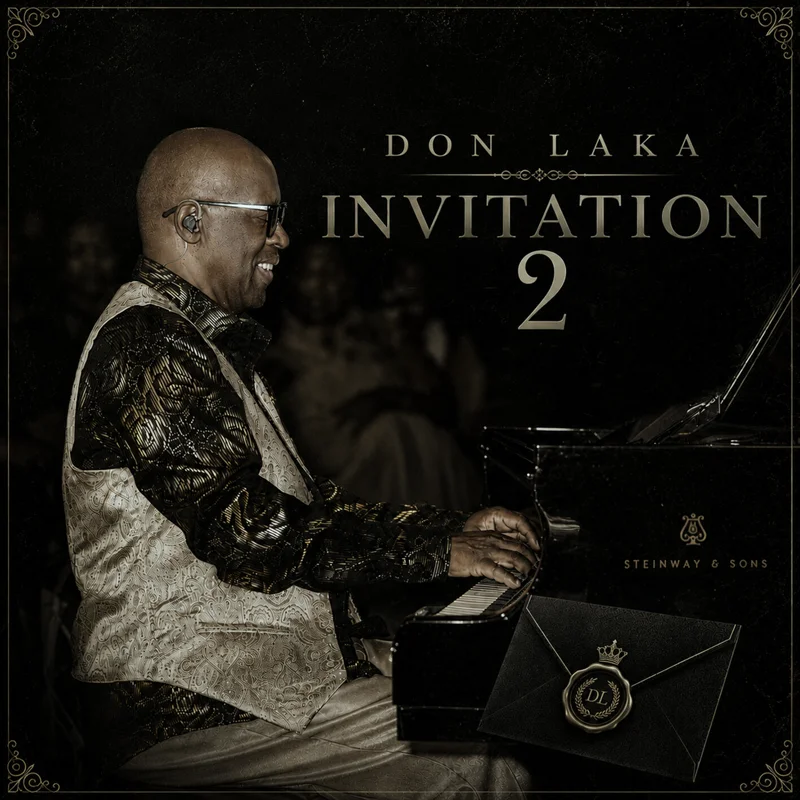
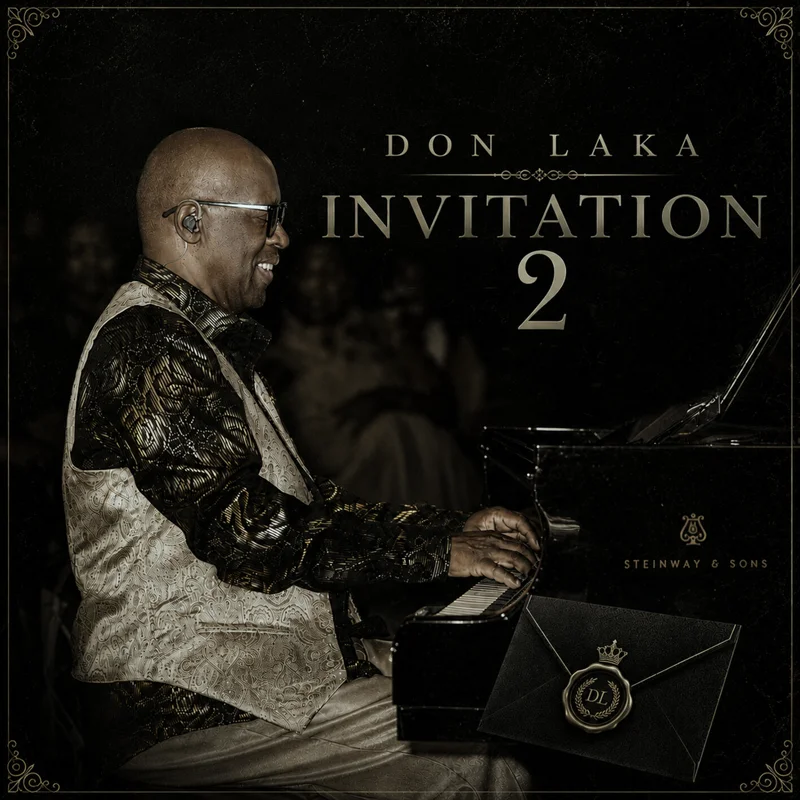
Invitation 2
Released Sep 11, 2026
Trending Globally
No trending songs available.
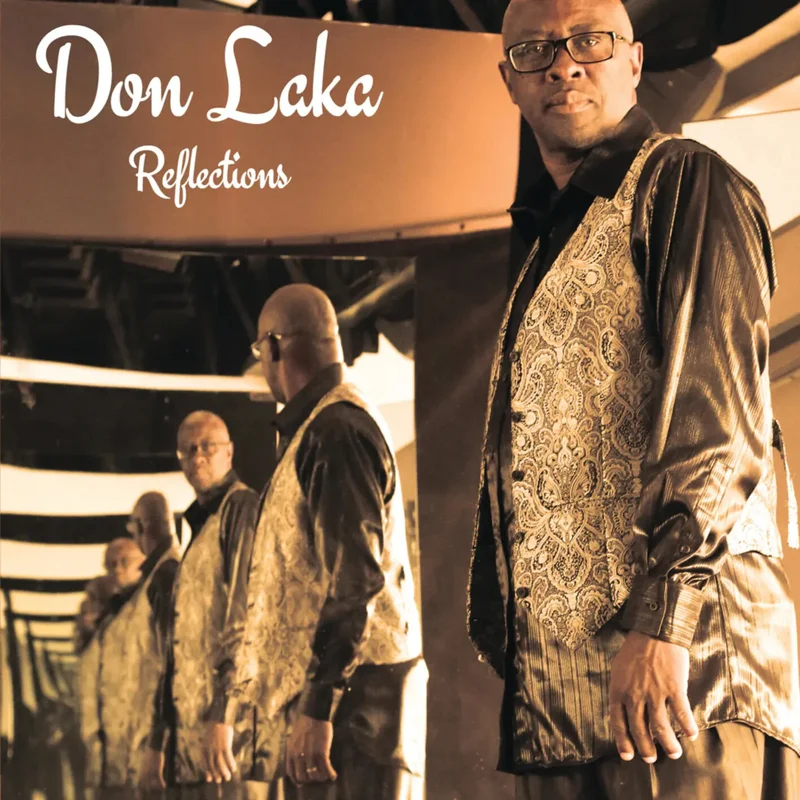
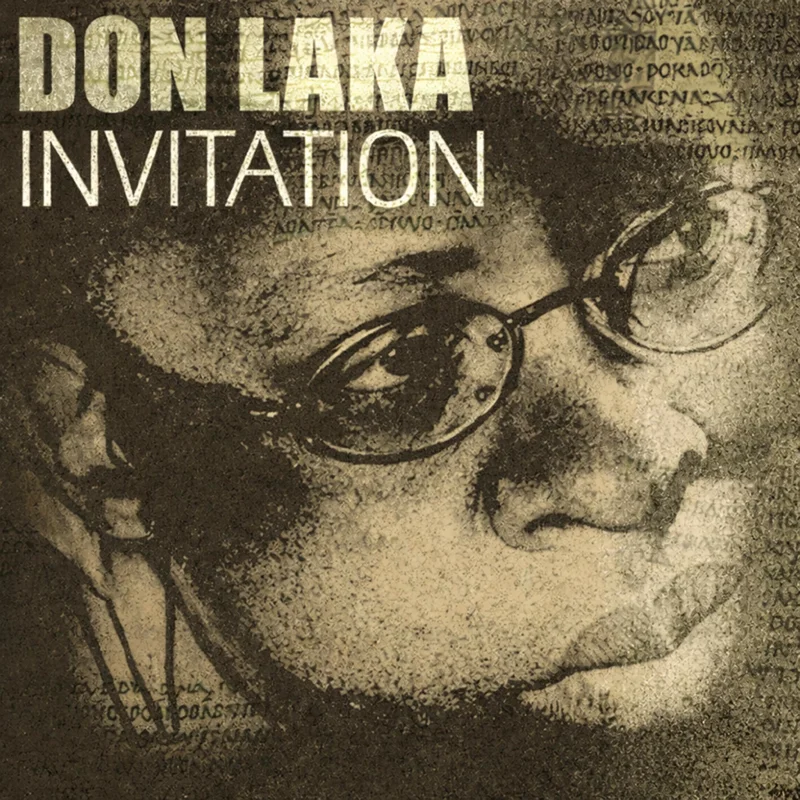
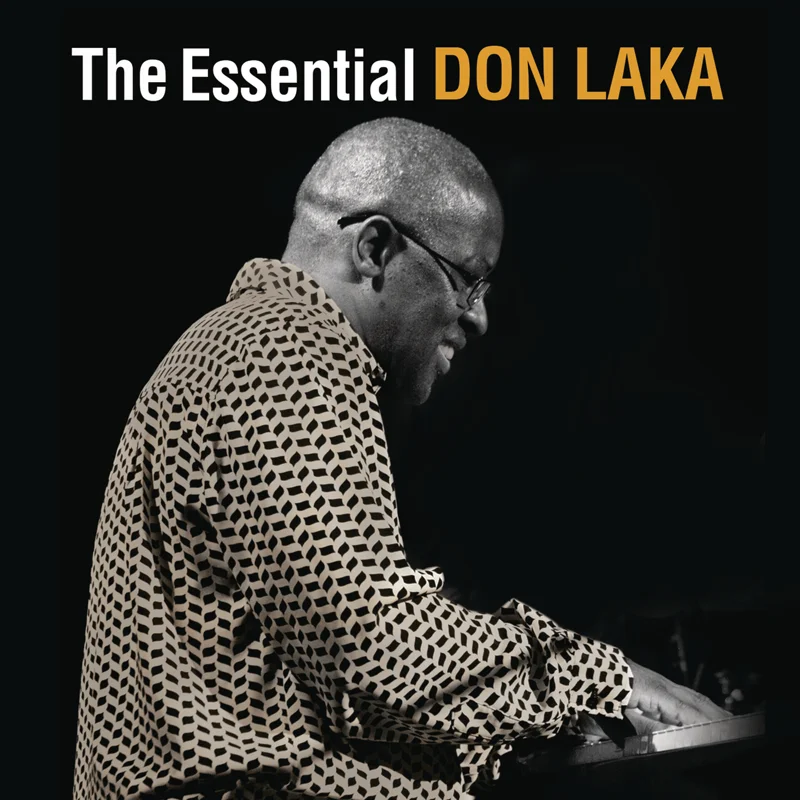
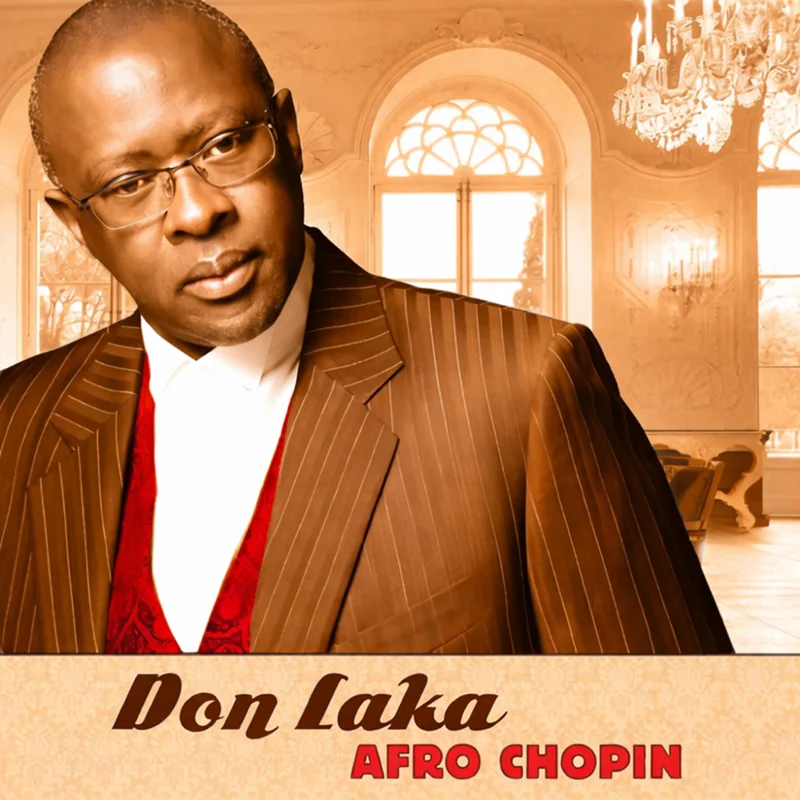
Story
Quick Facts
Born
1958
1958
From
South Africa
South Africa
Journey
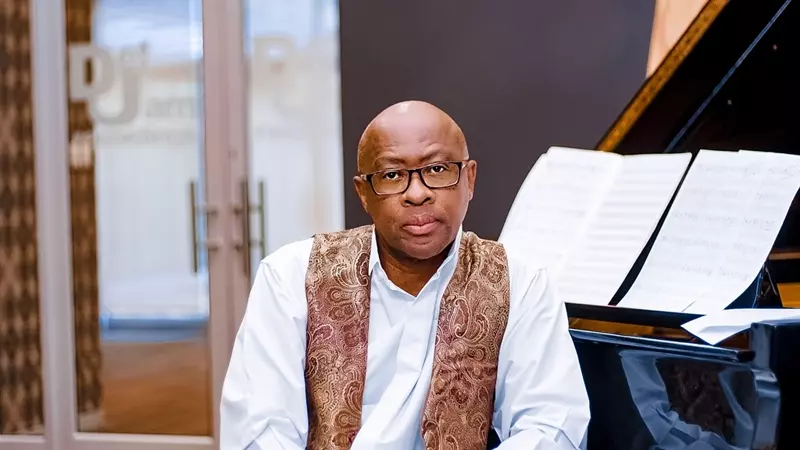
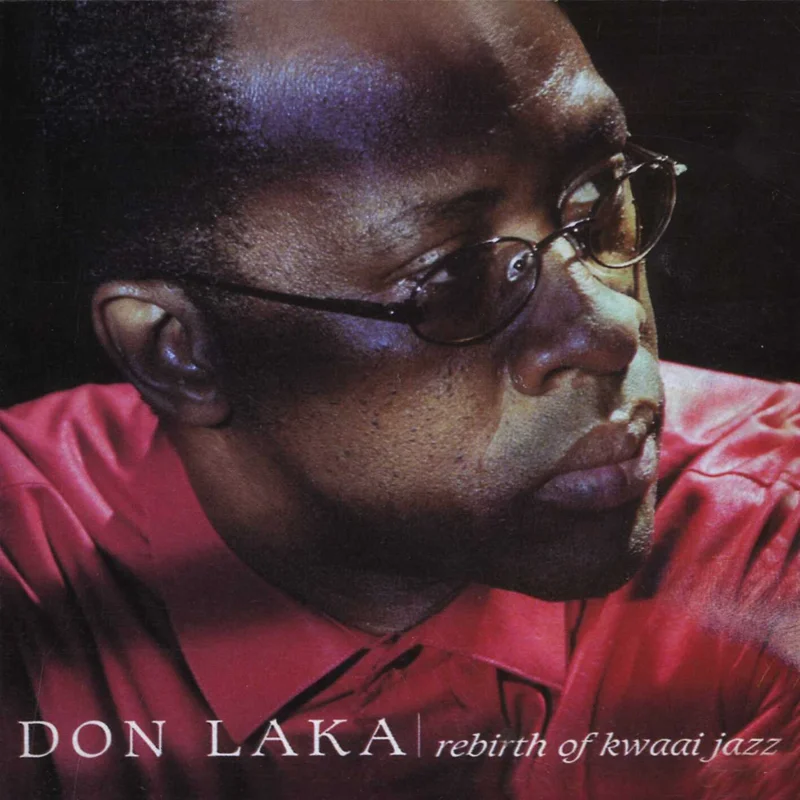
Don Laka, born Donald Mahwetša Laka on 15 December 1958 in Mamelodi, Pretoria, built a career that stretches across performance, composition, and production, with a strong influence on how South African jazz and popular music developed over time. He is widely associated with kwaai-jazz, a style that brings together jazz with local forms such as kwaito, kwela, and marabi, reflecting both traditional and modern musical directions.
His early years were shaped by a musically active township environment, where he began experimenting with sound from a young age, even building his own instruments before moving into formal study. He later earned classical guitar certification through the Royal Academy of Music, although broader academic opportunities were limited during the apartheid period, which pushed him toward independent musical exploration.
By his teenage years, he was already forming bands and recording, working with musicians such as Ray Phiri. His involvement with the group Sakhile placed him within a movement that contributed to the development of Afro-fusion and modern South African jazz during the 1980s.
He later formed the group Ymage with Sello Chicco Twala, marking a shift toward production and studio work. Over time, his role expanded beyond performing into shaping the sound of other artists. His production work includes contributions to artists such as Brenda Fassie, Yvonne Chaka Chaka, Rebecca Malope, Sipho Mabuse, Johnny Clegg, and the group Mango Groove, placing him at the centre of multiple strands of South African music.
In the 1990s, he co-founded Kalawa Jazmee with Oskido, a label that became closely linked with the rise of kwaito and youth-driven music culture in South Africa. This move extended his influence from individual production into industry structure and artist development.
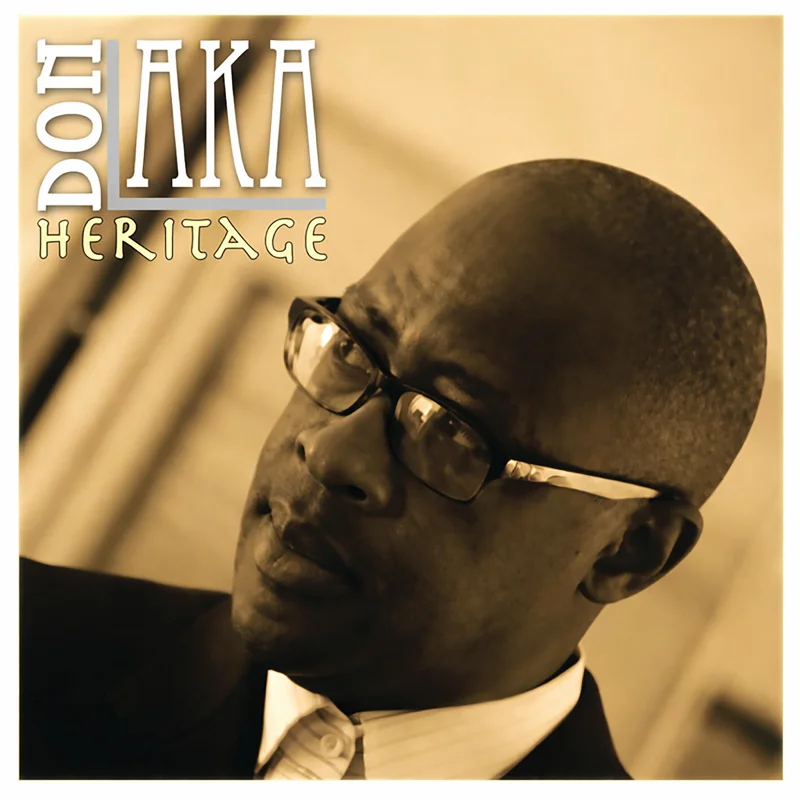
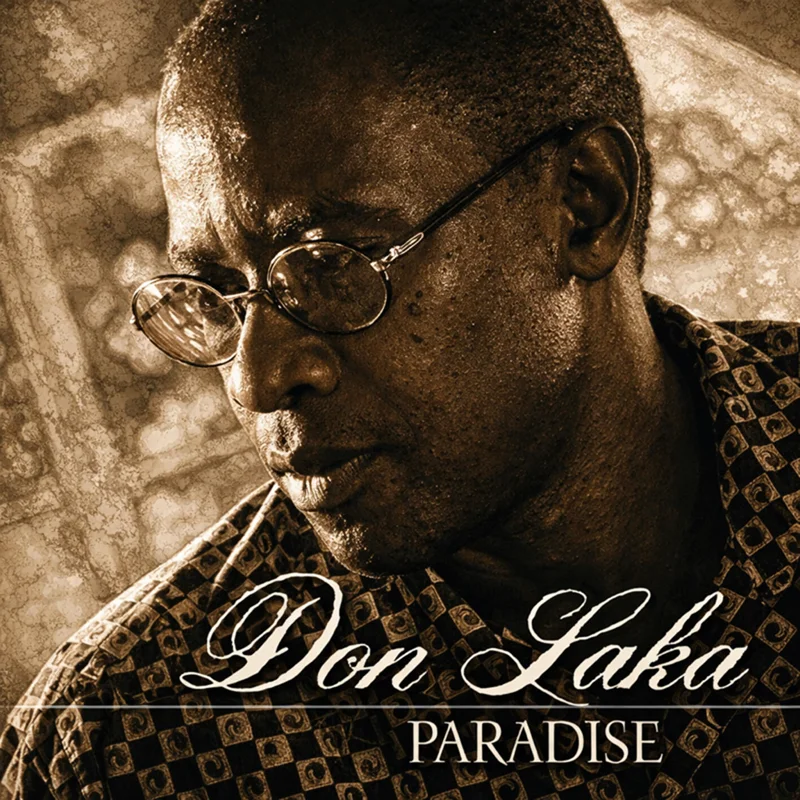
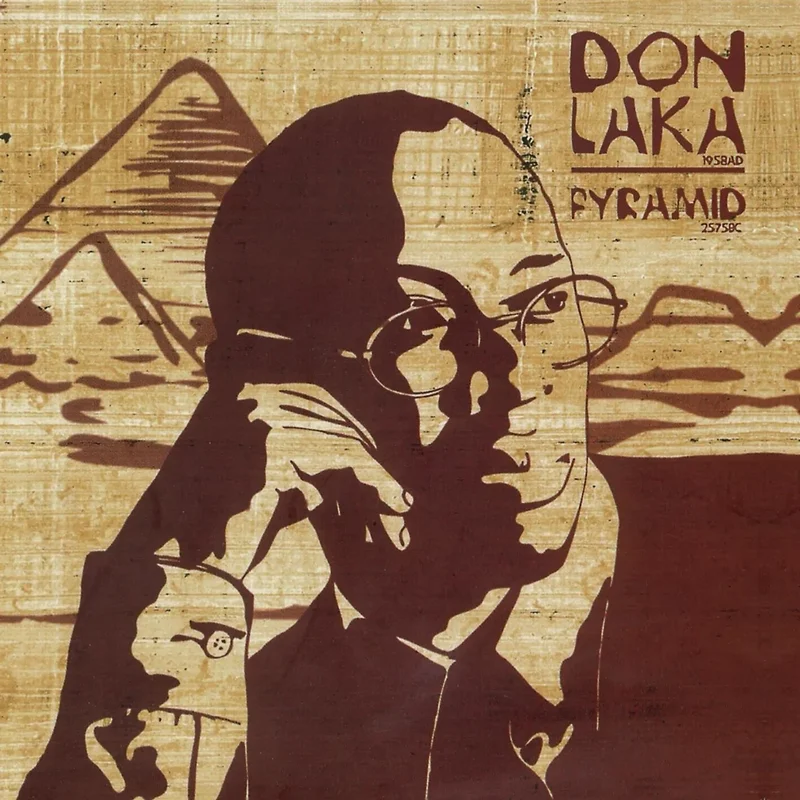
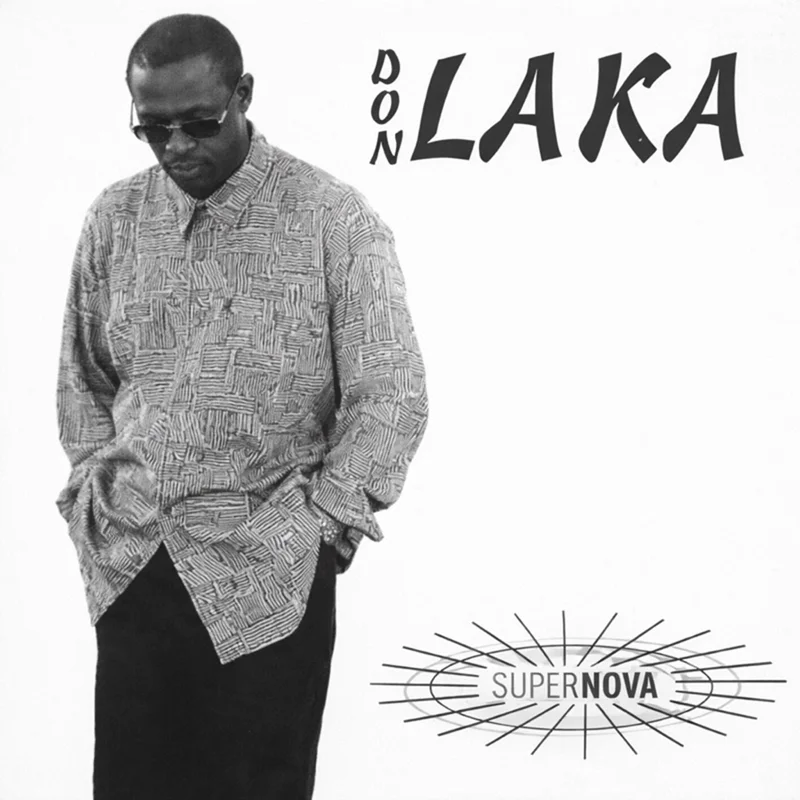
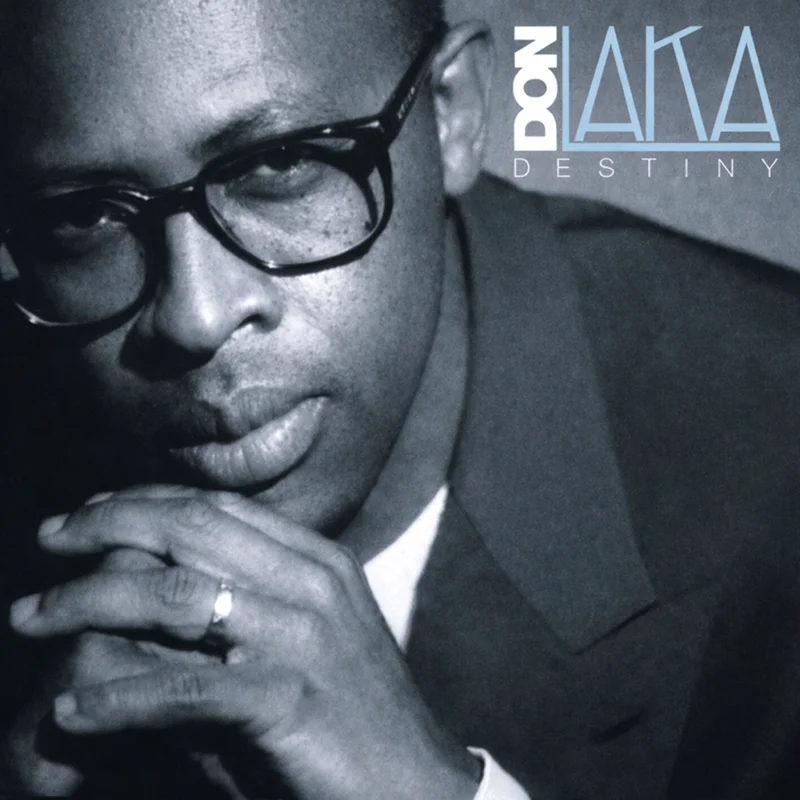
Alongside his work with other artists, he maintained a solo catalogue that includes albums such as Destiny, Supernova, Pyramid, and Paradise, where he continued to explore the intersection of jazz instrumentation, African rhythmic structure, and studio production.
His work also reached international recognition when he contributed as a producer to Hugh Masekela’s album Jabulani, which received a Grammy nomination in 2013.
Even after decades in music, he has remained active, including entering a new phase through a partnership with Sony Music Africa in 2026, aimed at expanding his catalogue to wider audiences.
Across his career, his role has moved between musician, producer, and industry figure, with a lasting presence in South African music development.