Podcast
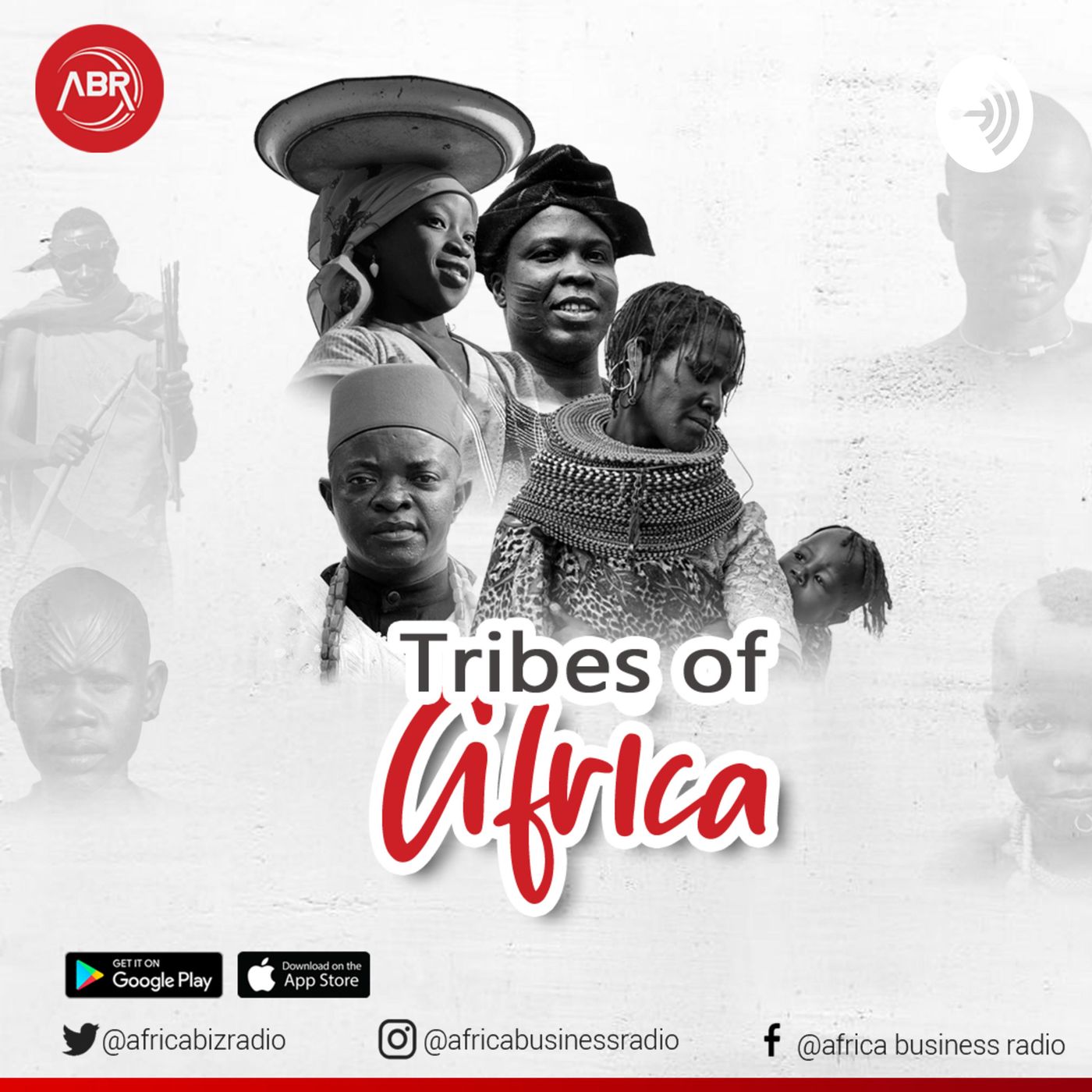
Tribes of Africa
Episodes
- The Baganda Tribe
Baganda tribes are called as Kings Men because of the significant role of their king-the Kabaka in their political, social and cultural institution. The Kabaka ruled over a hierarc…
- The Yako Tribe
Yakö, also spelled Yako or Yakurr, people of the Cross River region of eastern Nigeria; they speak Luko, a language of the Benue-Congo branch of the Niger-Congo family. The Yakö ar…
- The Sukuma Tribe
Tanzania’s largest tribal group is the Sukuma, a Bantu group of around 5.5 million people that lives in the north of the country and around the southern shores of Lake Victoria. Th…
- The Mbembe Tribe
Mbembe, is a group of people living along the middle Cross River in Nigeria. Numbering about 100,000 in the late 20th century, they speak the language of the Benue-Congo branch of…
- The Iraqw Tribe
The Iraqw are a Cushitic-speaking (a branch of the Afroasiatic language family) tribal group that live in the Arusha and Manyara regions of Tanzania, just south of the famous Ngoro…
- The Ndebele Tribe
Ndebele, also called Transvaal Ndebele, any of several Bantu-speaking African peoples who live primarily in the Limpopo and Mpumalanga provinces in South Africa. The Ndebele are an…
- The Hadzabe Tribe
The Hadzabe are one of the last remaining hunter-gatherer tribes in the world, with just 1,200-1,300 believed to live in Tanzania today. Rather than keeping livestock and tending t…
- The Damara Tribe
The Damara, also called Daman or Damaqua, are an ethnic group who make up 8.5% of Namibia's population. They speak the Khoekhoe language and the majority live in the northwestern r…
- The Himba Tribe
The first settlements of the Himba people can be traced back to the early 16th century when they crossed the Angolan border and chose Kaokoland (nowadays called Kunene region) as t…
- The Gomara Tribe
The Ghomara are a group of tribes in northern Morocco, living between the rivers Oued Laou and Ouringa, east of Chefchaouen and south of Tetouan, in the Western Rif. The river Tigu…
- The Baganda Tribe
Baganda tribes are called as Kings Men because of the significant role of their king-the Kabaka in their political, social and cultural institution. The Kabaka ruled over a hierarc…
- The Bayankole Tribe
The Banyankole is located in south-western Uganda. The Mugabe [king] was an absolute ruler. He claimed all the cattle throughout the country as his own. Chiefs were ranked by the n…
- The Tutsi Tribe
Tutsi, also called Batusi, Tussi, Watusi, or Watutsi, ethnic group of probable Nilotic origin, whose members live within Rwanda and Burundi. The Tutsi formed the traditional aristo…
- The Ijaw Tribe
The Ijaws are a collection of people that are indigenous to the Niger Delta in Nigeria. And owing to the affinity they have with water, a good number of them are found as migrant f…
- The Igala Tribe
The Igala are one of the many ethnic groups attributed to Nigeria’s cultural diversity. They are the 7th largest ethnicity in Nigeria. The Igala Kingdom was so large, it expanded d…
- The Bekwarra Tribe
Bekwarra is a tribe of people domiciled in a 306 sq2 of land mass with unique and rich cultural practices like every other tribe in the paradise state. With a population of about…
- The Afemai Tribe
The Afemai, also spelled Afenmai, are an ethnic group living in the northern part of Edo State south geopolitical zone of Nigeria. Afemai people occupy six local government areas o…
- The Suri Tribe
The Suri are an Agro-pastoral people that inhabit part of the Suri woreda, West Omo Zone of the South Western Ethiopia peoples regional state in Ethiopia, while the other live part…
- The Hamar Tribe
Hamar people are a community inhabiting southwestern Ethiopia. They live in Hamer woreda a fertile part of the Omo River valley, in the Debub Omo Zone of the Southern Nations. They…
- The Kalabari Tribe
The Kalabari is a tribe of the Ijaw people of Rivers state living in the Niger Delta region of Nigeria. Kalabari people are ijaw speaking settlers who came from the Bini fringes of…