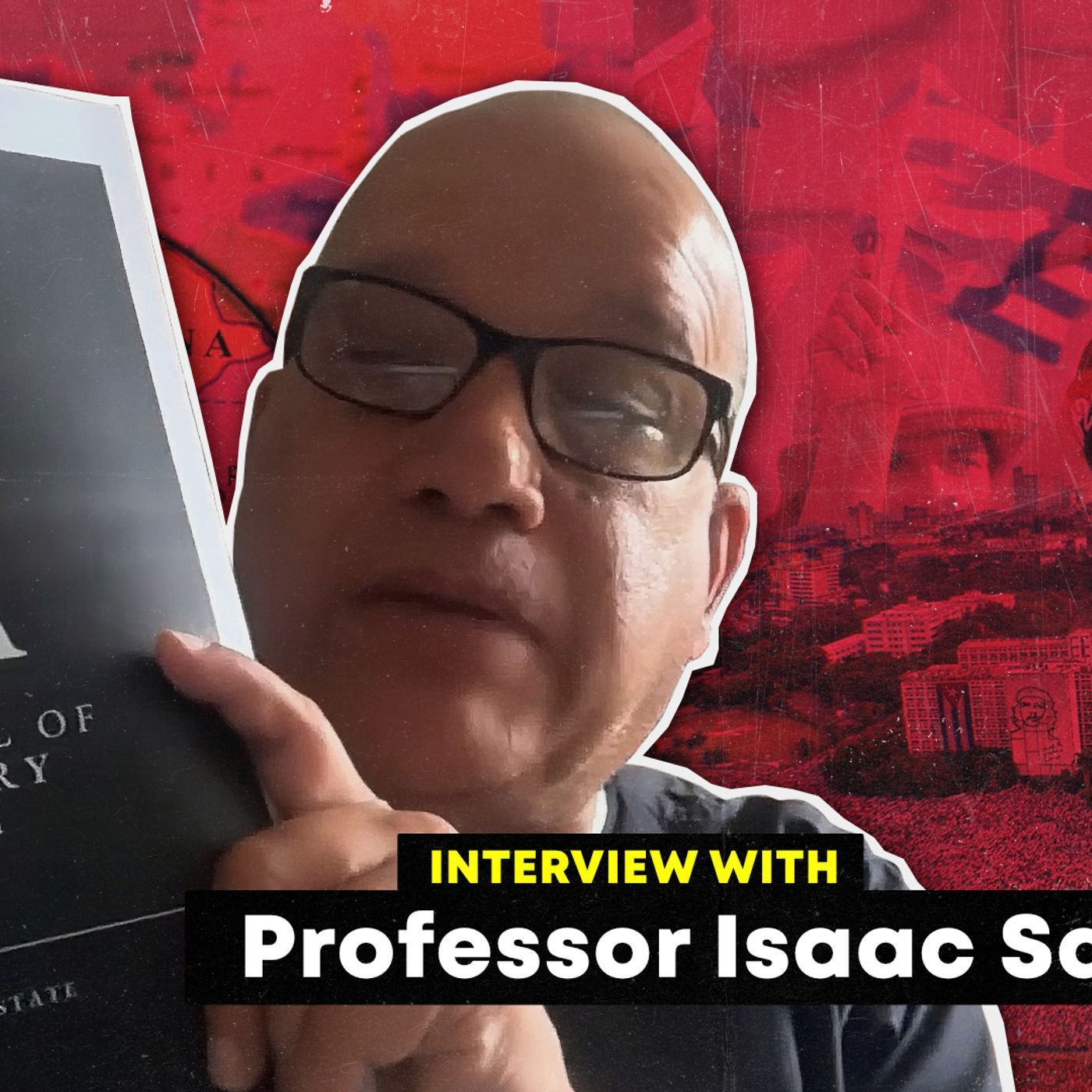
Interview with Professor Isaac Saney on the US State Department's anti-Cuba report
Cuba AnalysisPlay episode
Show notes
Interview with Professor Isaac Saney on the US State Department's anti-Cuba report and its implications.
In this episode of the Cuba Analysis Podcast, co-hosts Helen Yaffe and Nina Blodau speak with Professor Isaac Saney, a Black Studies and Cuba specialist, historian, professor at Dalhousie University, author of two books about Cuba, and spokesperson for the Canadian Network on Cuba, which is among many groups named in the new US State Department report ‘Cuba: The Capital of 21st Century Communism’.
Professor Saney breaks down the 100-page report which, despite lacking evidence, depicts Cuba as a global subversive force guiding the US and international left over decades. Saney explains that the objectives of this McCarthyite document are to justify the genocidal US blockade and lay the groundwork for future military aggression, as well as to revive Cold War-era repression of the left domestically and beyond.
We discuss the suffocating US sanctions imposed in 2026, their impact on Cuba’s economy and the population’s access to essential goods, and the muted international response. Professor Saney points out that 136 countries voted against the US blockade at the UN, despite US pressure, although Canada and several EU countries shamefully abstained.
We also talk about Cuba’s historic contribution to African liberation struggles, with a focus on Cuba’s support of the struggle for Angolan independence and the defeat of the invading South African army, which contributed to the end of Apartheid – the focus of Isaac’s book, Cuba, Africa, and Apartheid's End. This historic contribution is ignored in the State Department report, which Saney describes as a white supremacist.
Saney concludes by calling for more concrete international solidarity with Cuba, arguing that defending Cuban sovereignty, self-determination and socialist development, is also a defence of international law, opposition to normalisation of genocide and resistance to imperialism.
Youtube: https://www.youtube.com/watch?v=sQG8E8_UsDo