
Influence Profile
No genre data available
Genre information will appear here once available
Trending in Lubiana’s World

Trending Globally
No trending songs available.
Single




Story
Quick Facts
Born
1993
1993
From
Belgium
Belgium
Journey
Music entered Lubiana Kepaou Kouamou life long before she began thinking about a professional career. Born in Brussels to a Belgian mother and Cameroonian father, she spent parts of her childhood visiting Bangoua, Cameroon, experiences that later shaped her understanding of family, ancestry, and identity. She began learning instruments at a young age, including piano and guitar, before pursuing jazz and vocal studies at the conservatory in Leuven.
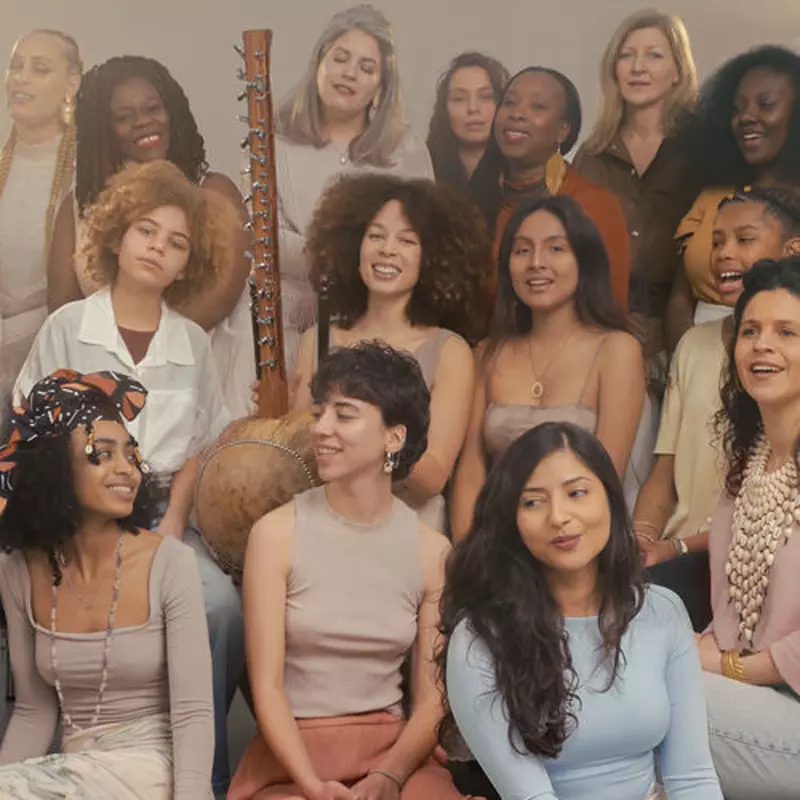
At 17, Lubiana gained early public exposure through “The Voice Belgique,” but her artistic direction became clearer after discovering the kora. She first encountered the West African instrument after dreaming about it and later hearing it during a trip to Mallorca. Encouragement from renowned Malian kora master Toumani Diabaté strengthened her commitment to the instrument, which became central to her songwriting and performances.
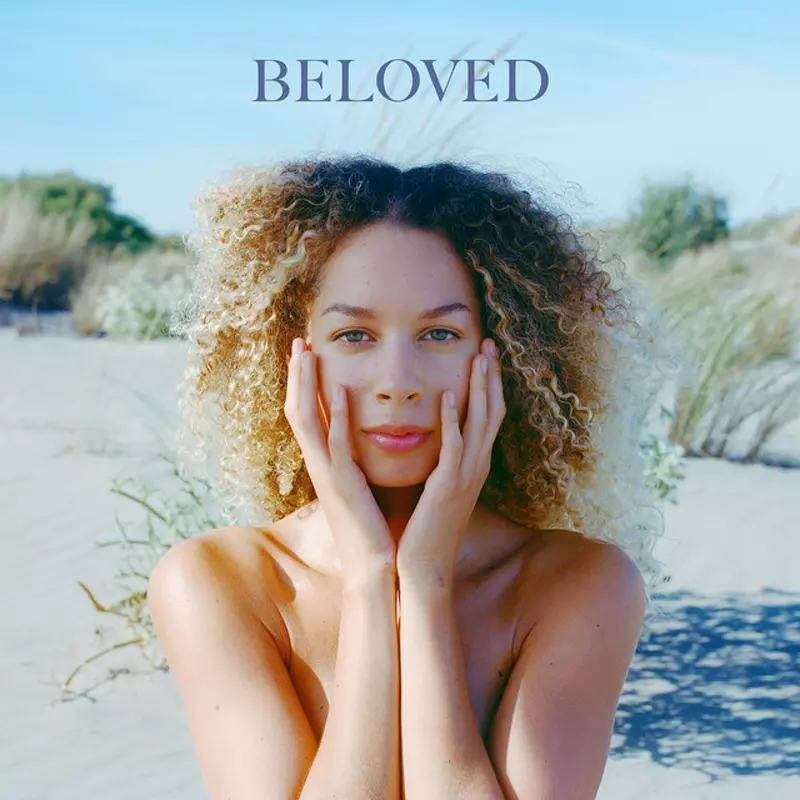
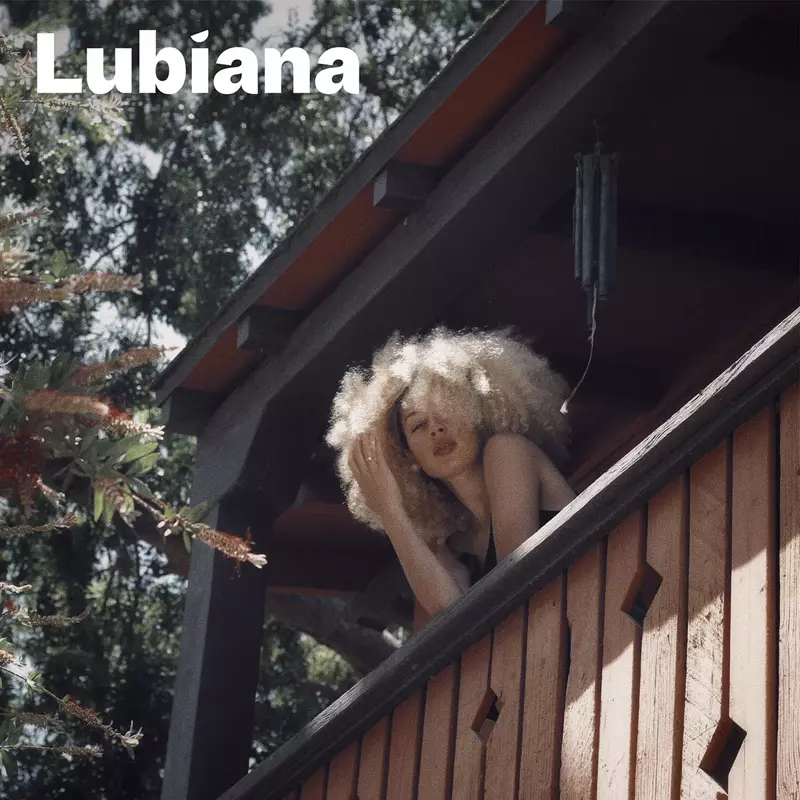
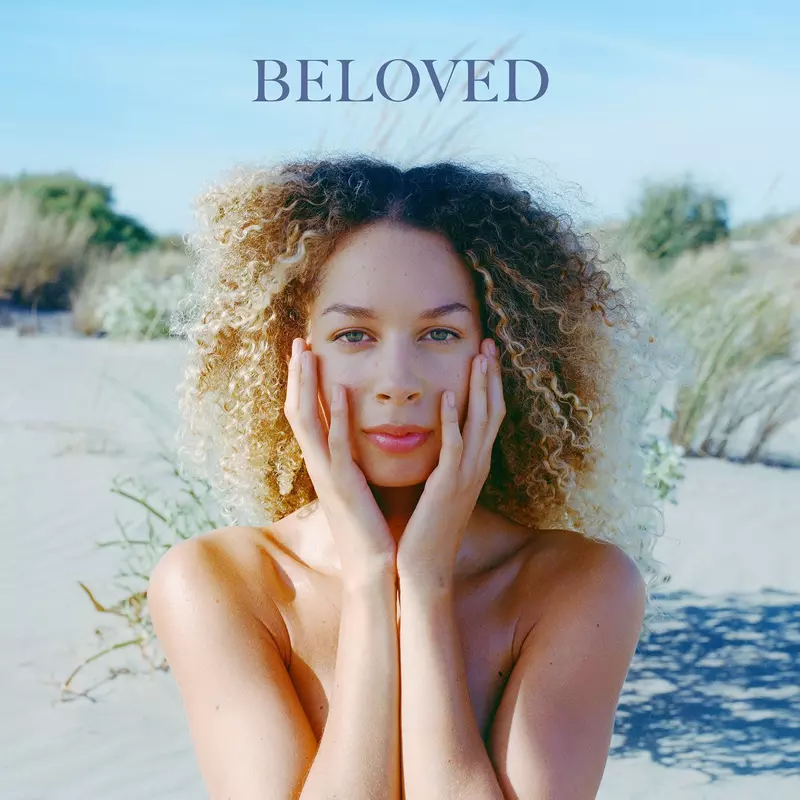
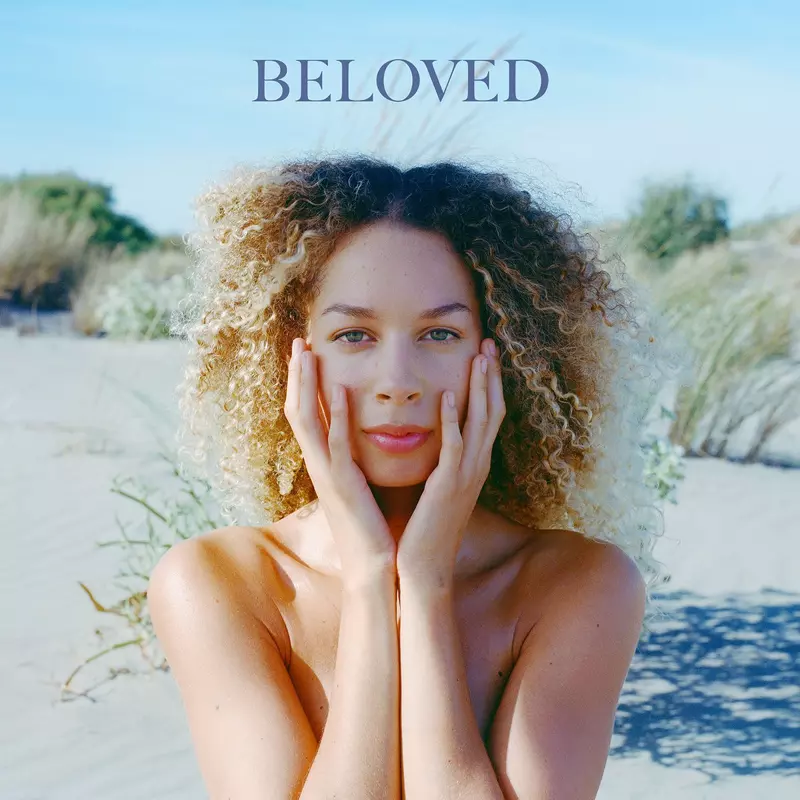
After further musical development and time spent exploring the Los Angeles music scene, Lubiana introduced her solo work with songs including “Self Love” and “My Man Is Gone.” Her debut EP, “Self Love,” arrived in 2020, followed by her first studio album, “Beloved,” in 2021. The record explored self-acceptance, love, and identity while establishing her kora-led approach to contemporary songwriting.
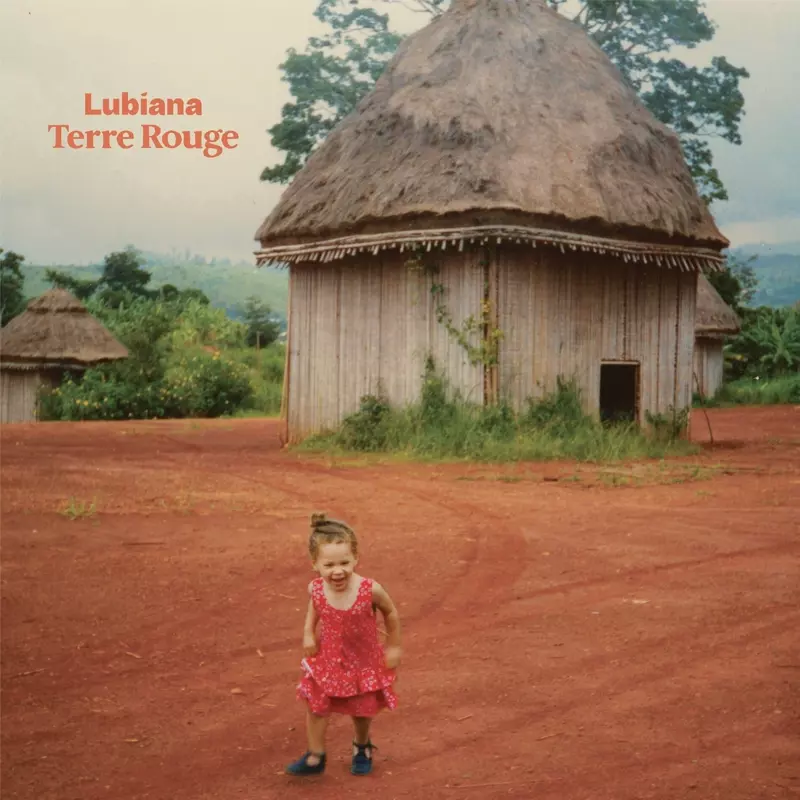
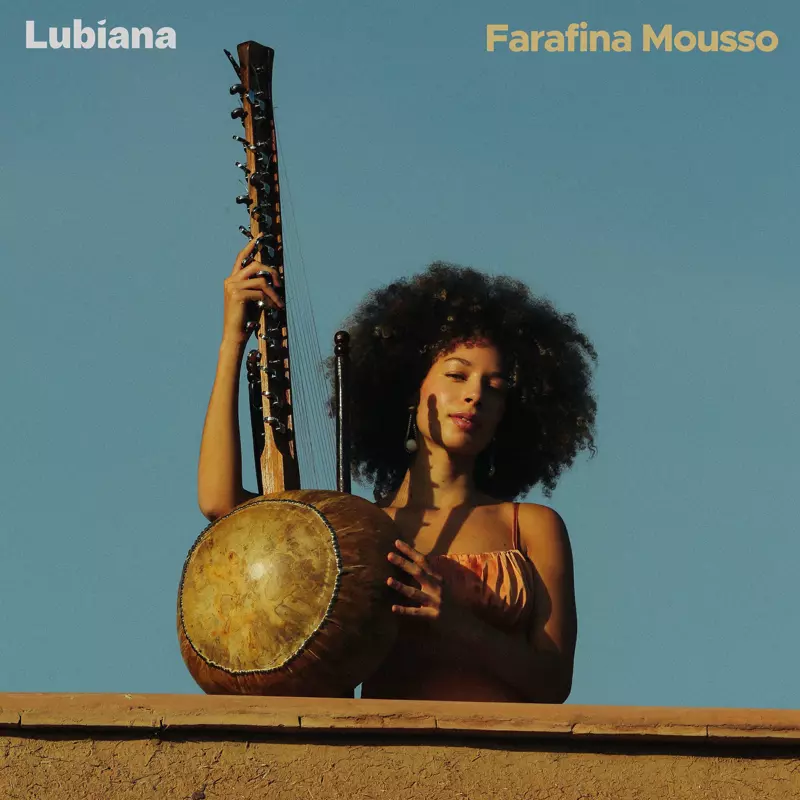
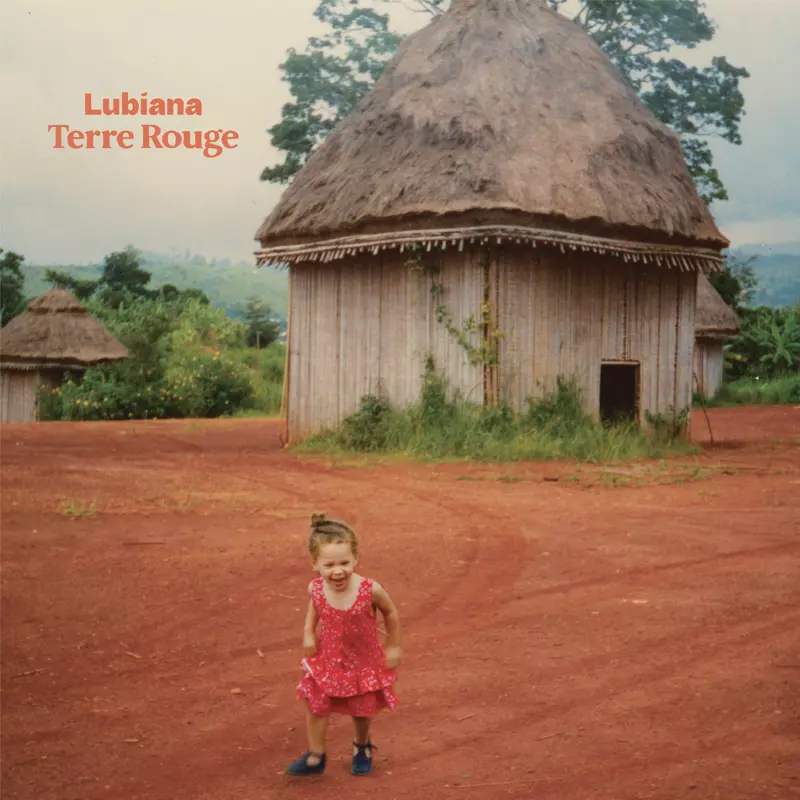
Lubiana reached another creative milestone with her second album, “Terre Rouge,” released in 2024. Inspired by her Cameroonian heritage and travels across Africa, the project addressed ancestry, family, African womanhood, and belonging. It featured Gaël Faye on “Farafina Mousso” and Toumani Diabaté on “Mali,” allowing Lubiana to record with one of the musicians who had encouraged her relationship with the kora.
Her accomplishments include establishing an international performing career, opening for Senegalese icon Youssou N’Dour, and becoming one of the relatively few contemporary female musicians to build a professional career around the kora. Her work has taken her across Europe, Africa, and the United States while connecting her Belgian-Cameroonian background with her experiences as a songwriter and instrumentalist.
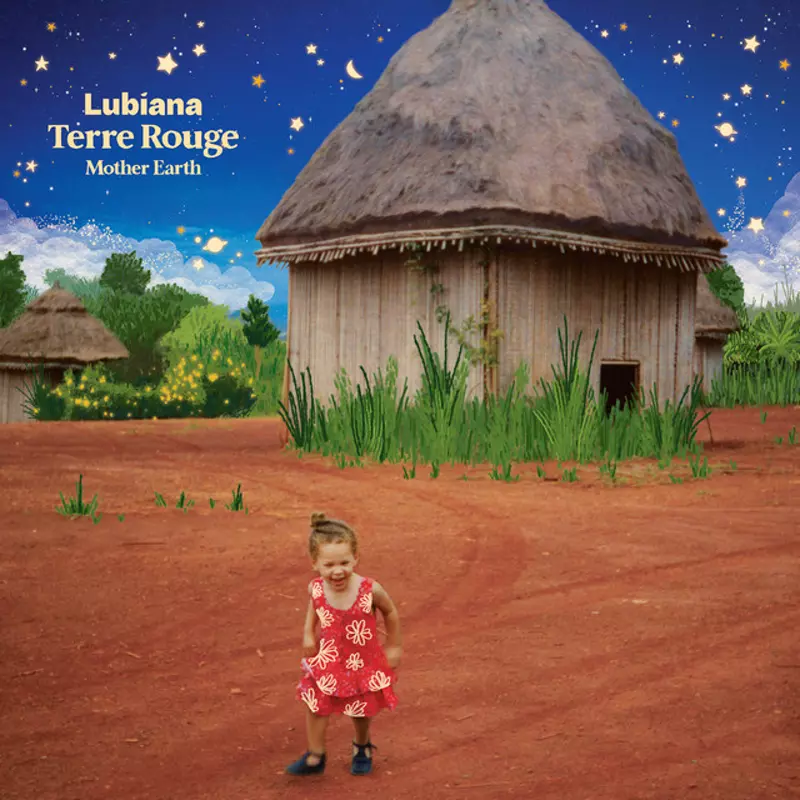
In 2026, Lubiana extended the “Terre Rouge” chapter with “Terre Rouge (Mother Earth),” adding songs including “Divine Feminine,” “Women Who Run with the Wolves,” “Shero” and “Gaia.” The expanded project included a collaboration with Malian singer Fatoumata Diawara. Throughout each stage of her career, Lubiana has continued to use music as a space for storytelling, cultural discovery, and a deeper understanding of her heritage.