
Influence Profile
No genre data available
Genre information will appear here once available
Trending in Elida Almeida’s World


Album






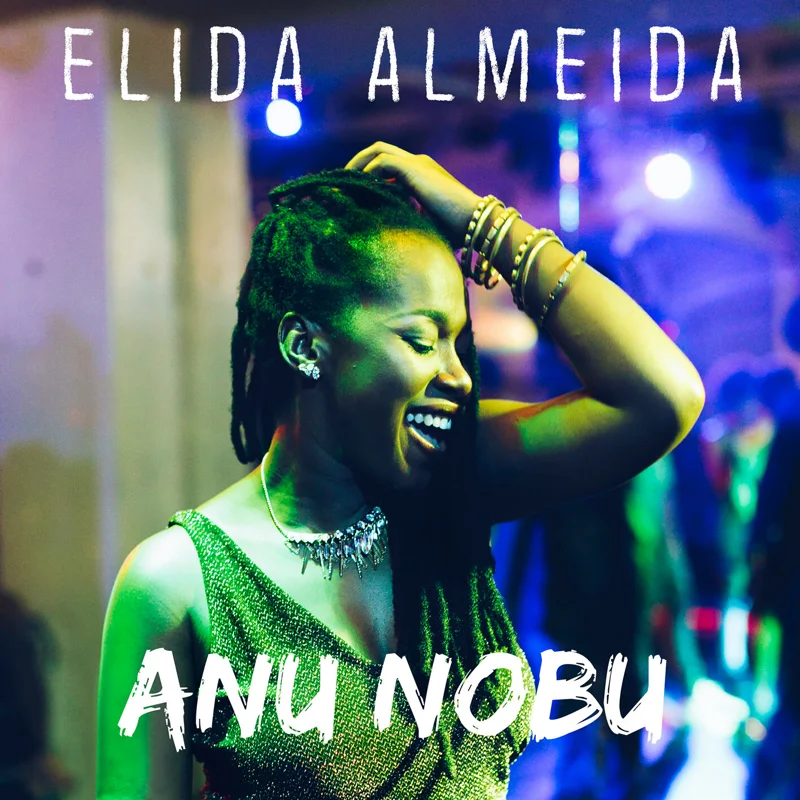
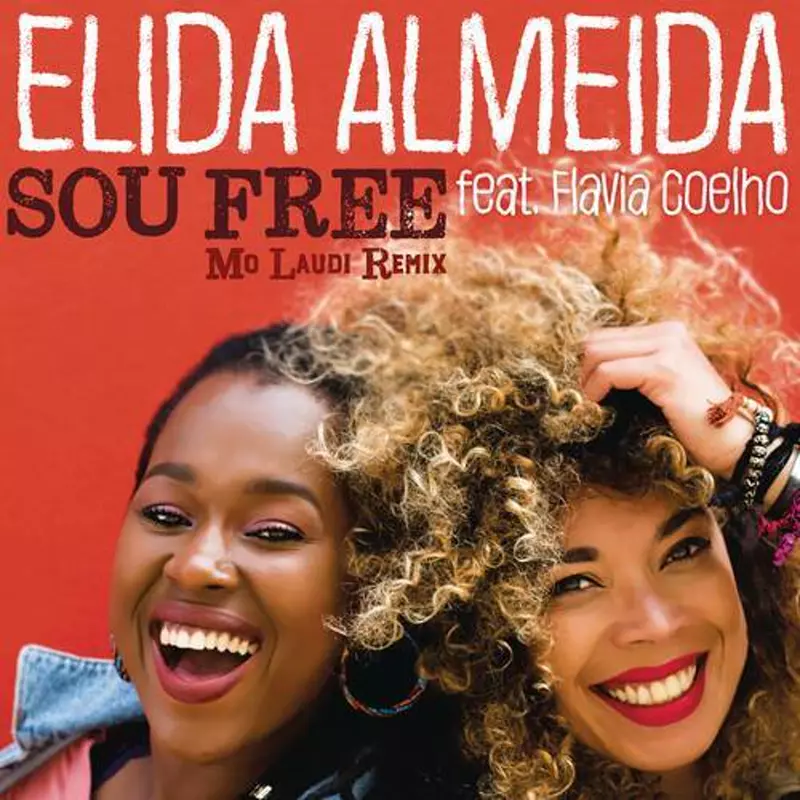
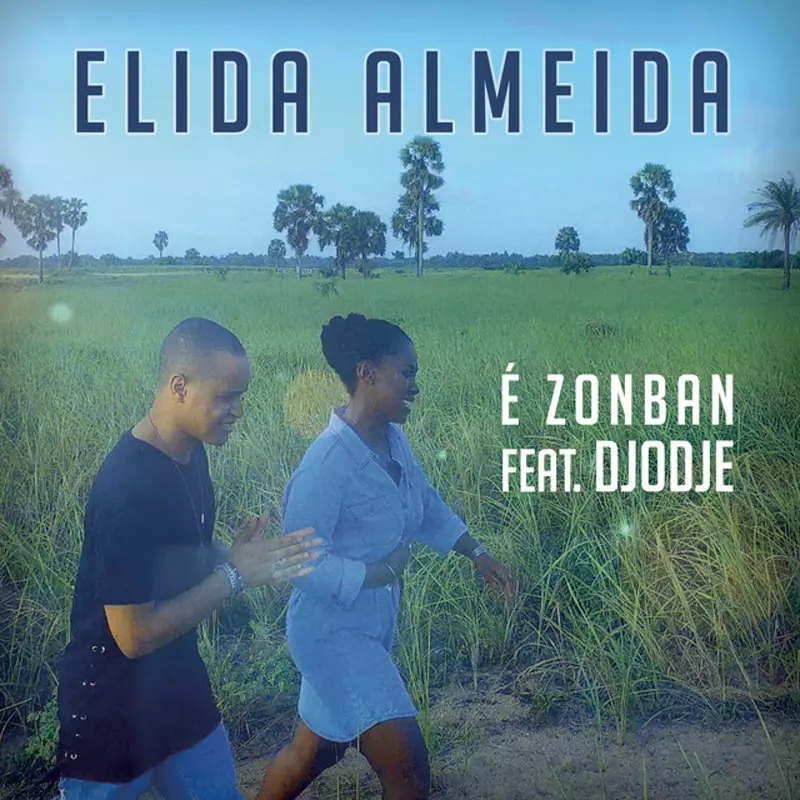

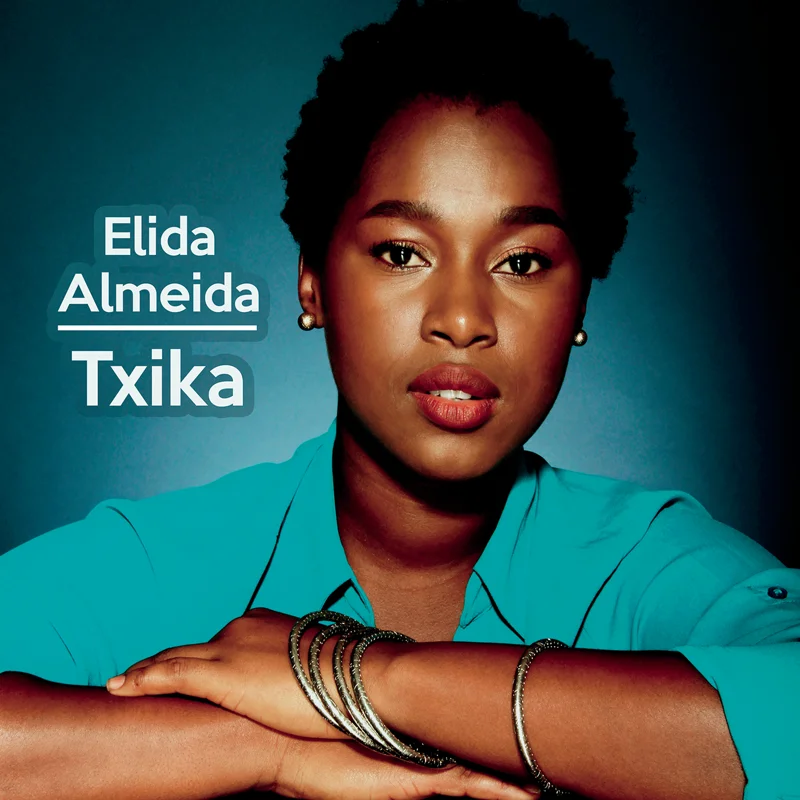
Story
Quick Facts
Born
1992
1992
From
Cabo Verde
Cabo Verde
Journey
Elida Almeida's journey from the rural communities of Santiago Island to international stages has made her one of the most recognizable voices in contemporary Cape Verdean music. Celebrated for her energetic performances and vibrant fusion of traditional rhythms, she has built a reputation as an artist who bridges cultural heritage and modern expression. By drawing from genres such as funaná, batuque, tabanka, morna, and coladeira, Almeida has helped introduce a wider global audience to the diverse musical traditions of Cabo Verde.
Elida Sofia Cabral Almeida was born in Pedra Badejo on Santiago Island, Cabo Verde. She spent much of her childhood in the mountainous interior of Santiago, where economic challenges and limited access to basic amenities shaped many of her early experiences. Music became a constant presence in her life through church activities, community gatherings, radio broadcasts, and traditional cultural celebrations.
Before pursuing music professionally, Almeida developed an interest in songwriting and became involved with local radio activities. These experiences nurtured her creativity and strengthened her connection to the stories and realities that would later influence her music.
Her breakthrough began through participation in local competitions and live performances, where her talent attracted the attention of renowned producer José da Silva, the music executive widely known for helping launch the international career of the legendary Cape Verdean singer Cesária Évora. Unlike many Cape Verdean vocalists associated primarily with morna and coladeira, Almeida chose to focus heavily on funaná, batuque, tabanka, and contemporary African influences, a decision that immediately distinguished her from many artists of her generation.
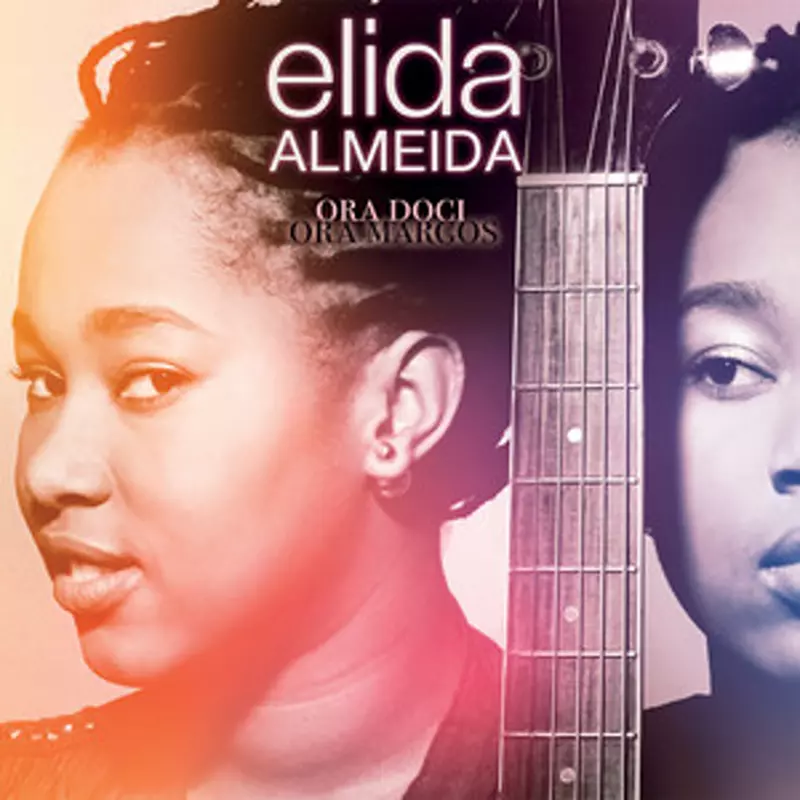
In 2014, she released her debut album, Ora Doci, Ora Margos. The title, which translates roughly as "Sweet Times, Bitter Times," reflected the realities of everyday life in Cabo Verde. The project introduced listeners to her energetic style, powerful voice, and storytelling ability, quickly attracting attention across Lusophone Africa and Europe. Songs such as Nta Konsigui and Lebam Ku Bo helped establish her as one of the most promising young artists from the archipelago.
Her international profile expanded significantly in 2015 when she won the prestigious Prix Découvertes RFI, a competition dedicated to identifying and promoting emerging African musical talent. The recognition increased her visibility across international markets, led to extensive touring opportunities, and introduced her music to audiences throughout Europe, Africa, and North America.
Almeida has accumulated significant recognition throughout her career. In addition to winning the Prix Découvertes RFI, she has received multiple nominations and awards at the Cabo Verde Music Awards, earning recognition for her recordings, performances, and contributions to Cape Verdean music. In 2026, Almeida added another milestone to her growing list of achievements when she won the "Batuku do Ano" category at the Cabo Verde Music Awards for her song Nka Ta Pasa, recorded in collaboration with Freirianas Guerreiras. The award highlighted her continued dedication to promoting and modernizing traditional Cape Verdean musical forms while maintaining a strong connection to the cultural roots that have defined her artistic journey.
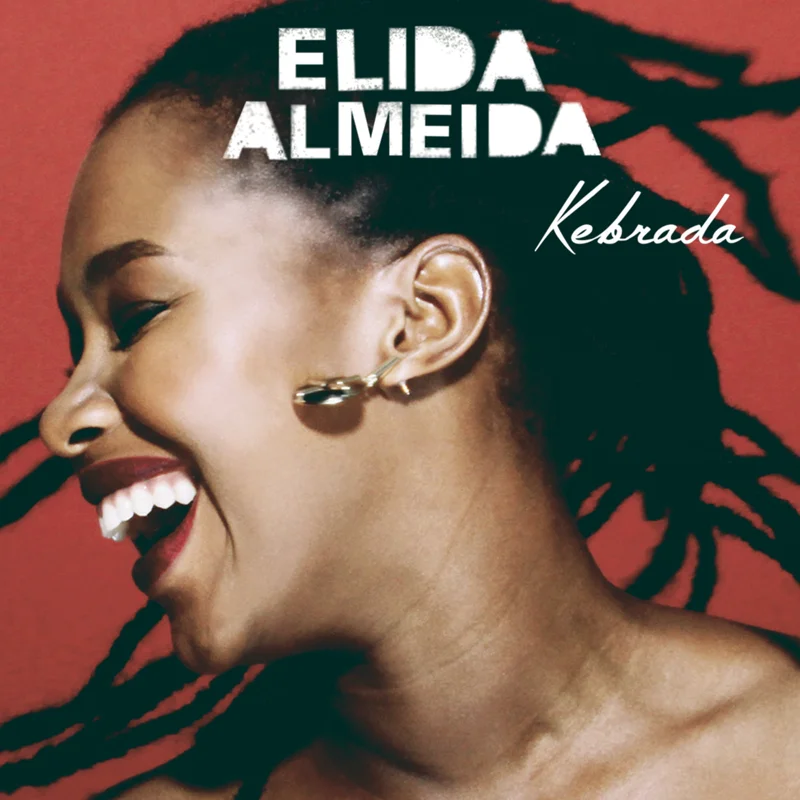
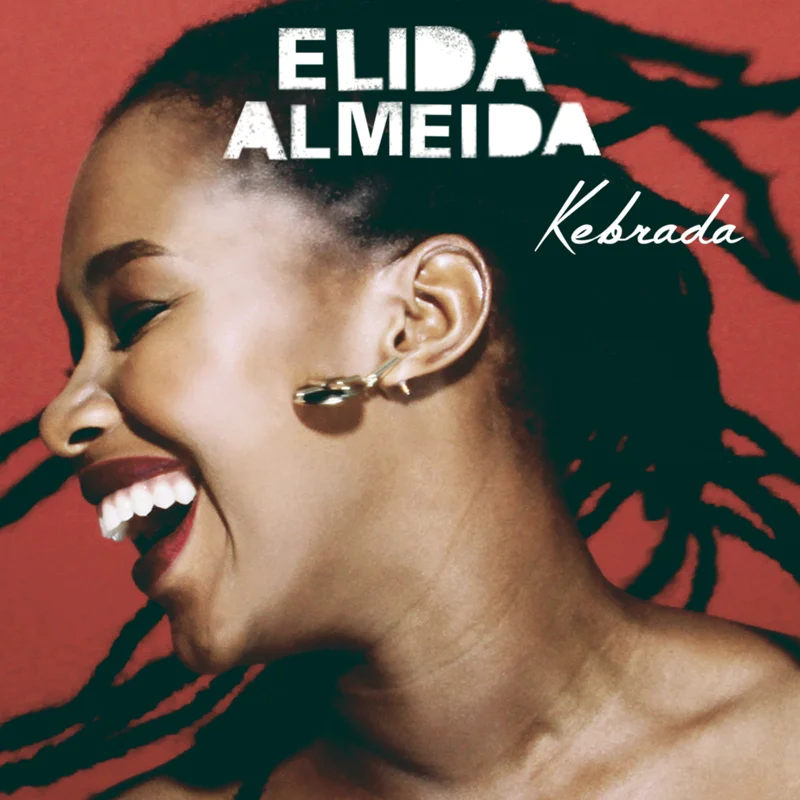
Her second album, Kebrada (2017), marked a significant artistic evolution. The project explored themes including migration, identity, social challenges, women's experiences, and cultural heritage. Through its blend of traditional rhythms and contemporary production, the album demonstrated her growing artistic confidence and expanding creative vision.
In 2021, Almeida released Gerasonobu, a project that further broadened her musical scope while remaining deeply rooted in Cape Verdean traditions. The album explored themes of generational change, family relationships, community values, and social transformation. Critics praised its ability to balance innovation with cultural authenticity.
Almeida's music combines funaná, batuque, tabanka, morna, coladeira, and contemporary African influences. Her work is characterized by dynamic stage presence, powerful vocal delivery, socially conscious songwriting, and a strong commitment to celebrating Cape Verdean culture.
Her international touring career has taken her to countries including Portugal, France, Belgium, Germany, Switzerland, the United States, Canada, and numerous African nations. These performances have helped introduce contemporary Cape Verdean music to audiences worldwide and strengthened her reputation as one of the country's most compelling live performers.
Many observers regard Almeida as one of the most important Cape Verdean artists of her generation. By highlighting musical styles beyond morna while remaining deeply rooted in local traditions, she has broadened international perceptions of Cape Verdean music and contributed to the preservation and evolution of the country's cultural heritage.
Elida Sofia Cabral Almeida's career is defined by authenticity, cultural pride, and artistic innovation. From her early years in Santiago to international recognition through the Prix Découvertes RFI and multiple Cabo Verde Music Awards honors, she has become one of the defining voices of contemporary Cape Verdean music.